Your Smile, Our Priority
at All Care Dental Centre, we are committed to providing the best services for you and your family


100+




Patients served with care
We care for every patient like family, ensuring they feel heard, supported, and well taken care of
20+
Expert Dentist
Easily find the expert that you need
Connect with the right expert for your needs—no hassle, no guesswork, just the support you’re looking for
2
Strategic Location
Our Service
Comprehensive Dental Care Services
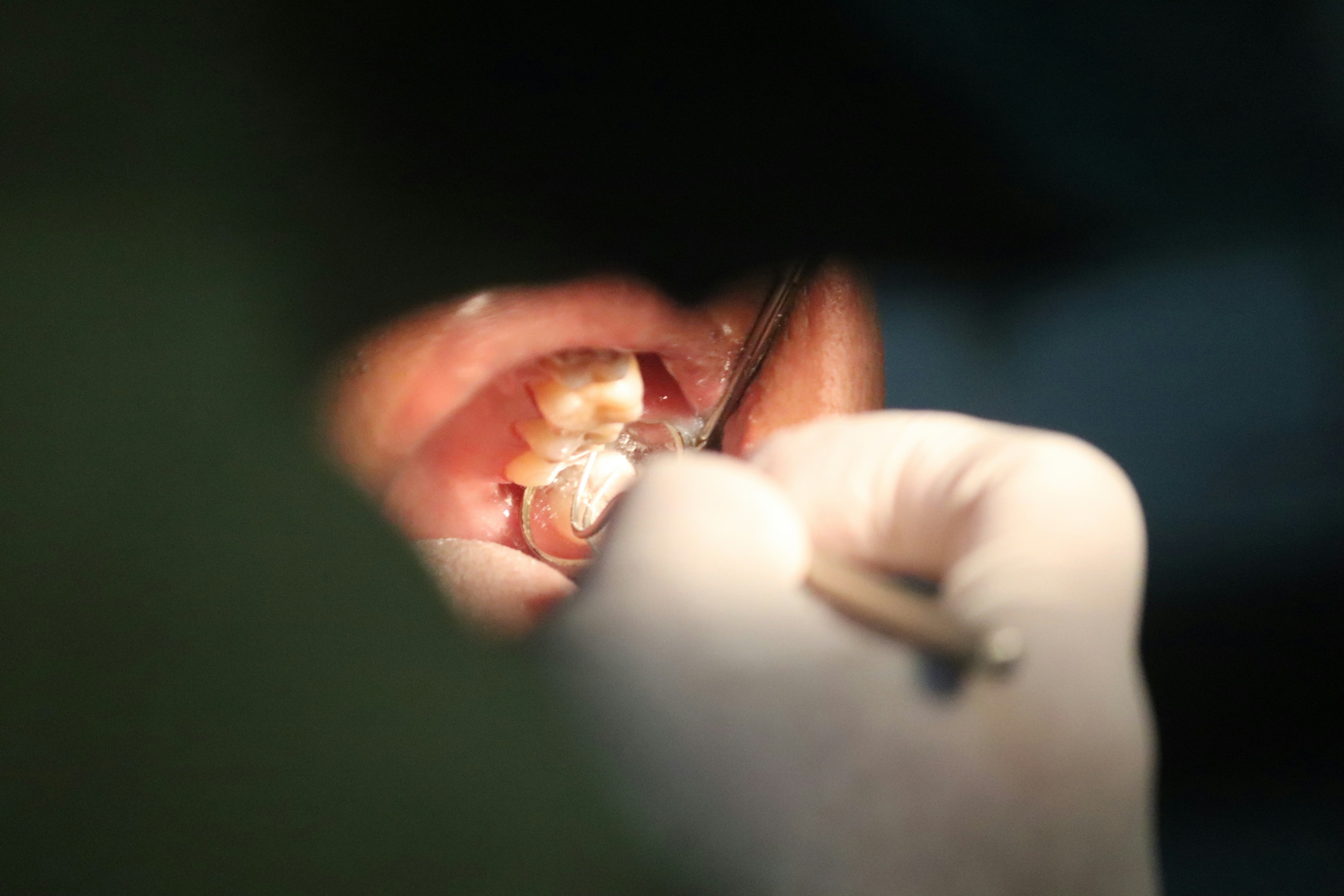

Oral Surgery
Performs surgical procedures for complex dental conditions.

Endodontic (Root Canal Treatment)
Treats infected tooth pulp to save natural teeth.

Orthodontic Treatment
Corrects misaligned teeth and bite issues for a healthier smile.
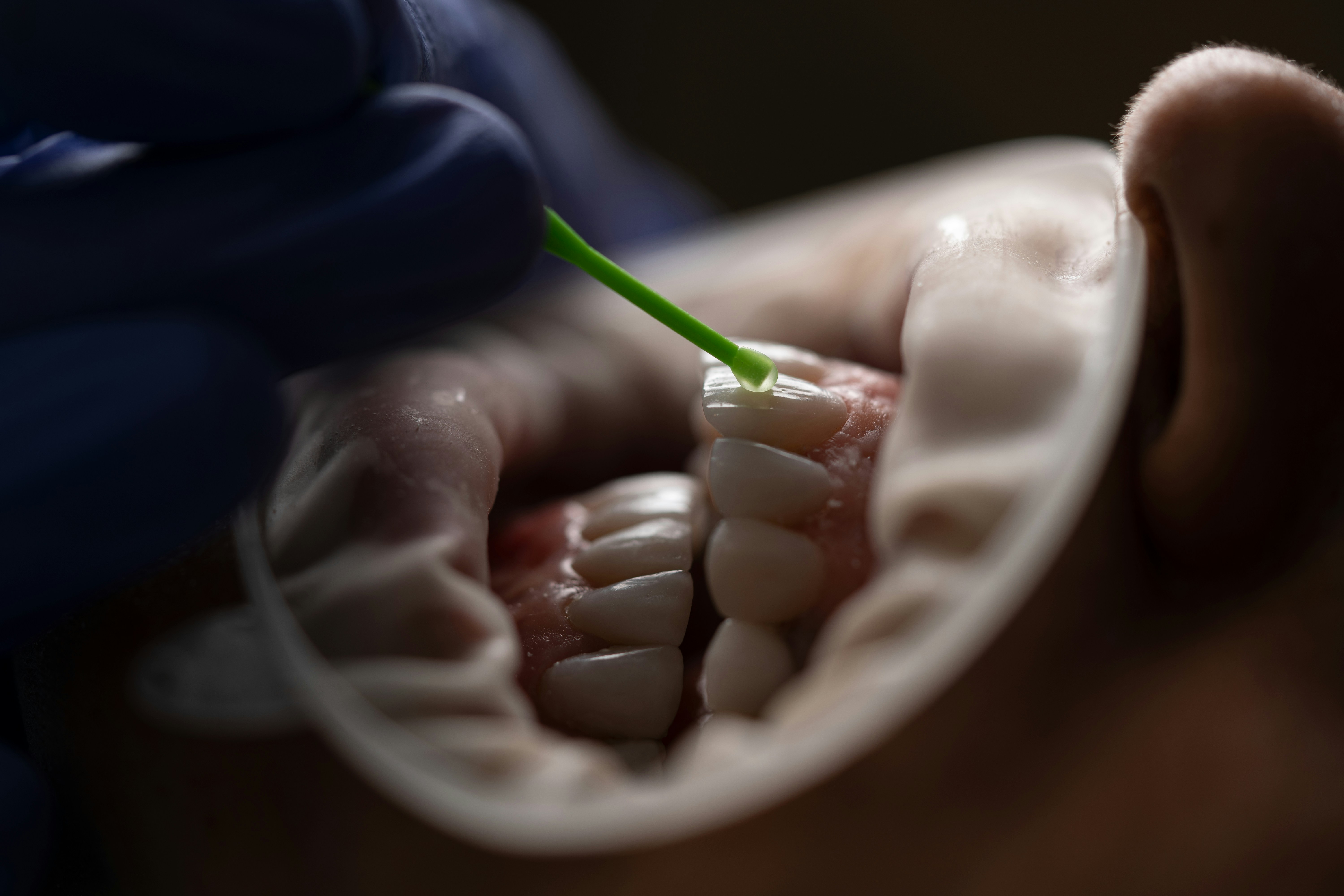

Restorative Dentistry
Repairs damaged or decayed teeth to restore function and health.

Pedodontic Treatment
Specialized dental care focused on children’s oral health.

Prosthodontic Treatment
Restores missing teeth with functional and natural-looking replacements.
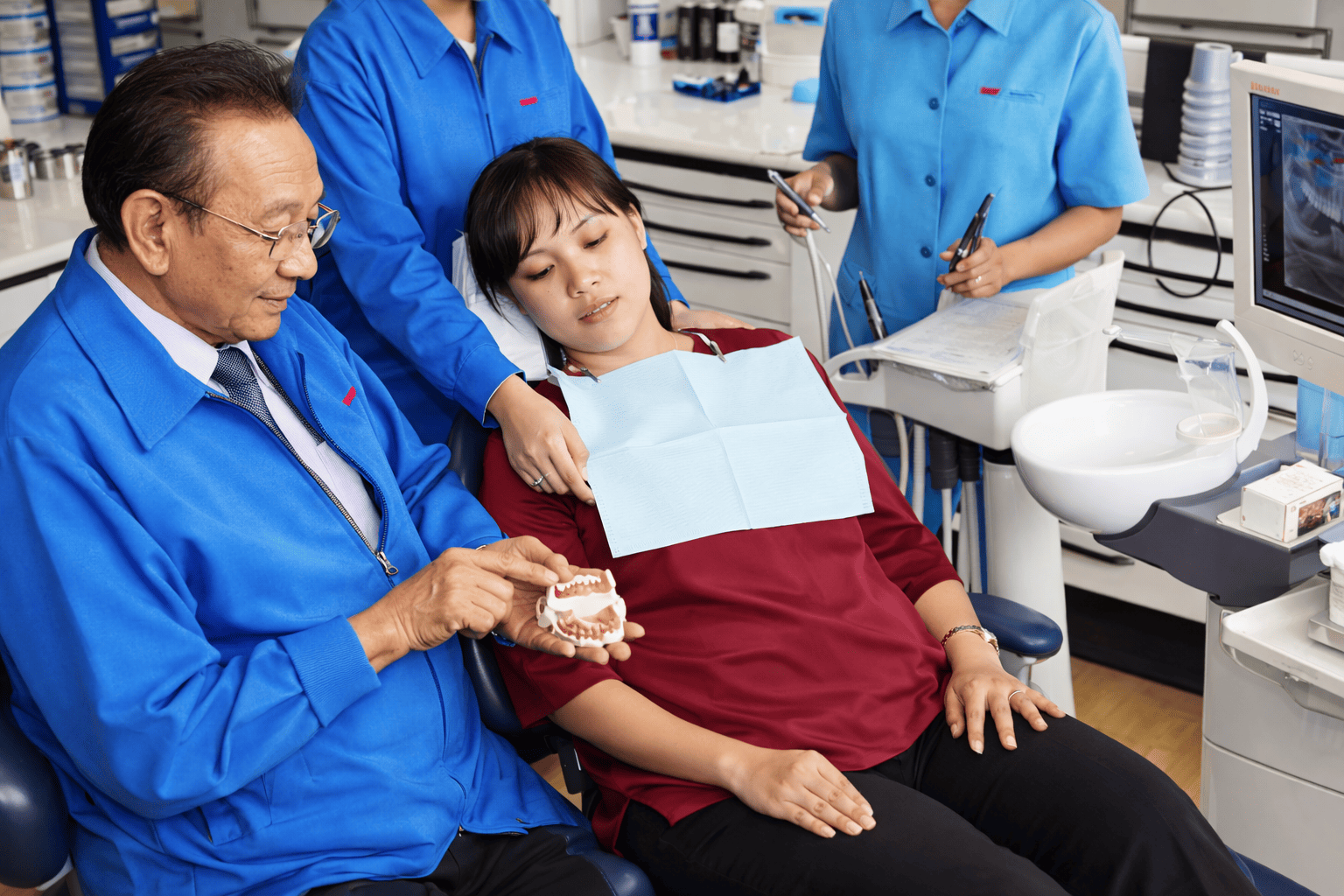

Cosmetic Dentistry
Enhances the appearance of your smile through aesthetic dental treatments.

Preventive
Focuses on preventing dental problems through routine care and early detection.
Need another dental treatment?
Feel free to contact us. we’ll be happy to help you.
Oral Surgery
Performs surgical procedures for complex dental conditions.
Endodontic (Root Canal Treatment)
Treats infected tooth pulp to save natural teeth.
Orthodontic Treatment
Corrects misaligned teeth and bite issues for a healthier smile.
Restorative Dentistry
Repairs damaged or decayed teeth to restore function and health.
Pedodontic Treatment
Specialized dental care focused on children’s oral health.
Prosthodontic Treatment
Restores missing teeth with functional and natural-looking replacements.
Cosmetic Dentistry
Enhances the appearance of your smile through aesthetic dental treatments.
Preventive
Focuses on preventing dental problems through routine care and early detection.
Need another dental treatment?
Feel free to contact us. we’ll be happy to help you.
Our Locations & Schedules
All Care Dental Centre spread on various locations in Jakarta
Klinik Utama All Care Dental Centre
Plaza 5 Blok B No.15 Jl. Margaguna Raya Pondok Indah - Jakarta 12140
622172788688
View on Maps →Drg. Dila Aurel
General Dentist

Drg. Della Sparringa
General Dentist

Drg. Sandra Mega, Sp.Ort
Spesialis Ortodonti

Drg. Theodora Erlin, Sp.KGA
Spesialis Kedokteran Gigi Anak


About Us
Building Healthy Smiles, for All of Our Patients


Our Vision and Mission
Deliver dental treatment as a part of the whole body health.
All Care Dental Centre is a group of specialist dentists founded and led by the late Drg. Gunawan Atmadja, MDSc, FICD, SpKG, who had 50 years of experience in providing dental healthcare services in Jakarta.
Our commitment to integrity, professionalism, and responsibility, while continuously striving to deliver the highest quality of care for our patients, serves as our primary foundation. This commitment is further supported by a team of specialist dentists, advanced and comprehensive technology, as well as comfortable and patient friendly facilities.
All Care Dental Centre is located in the Pondok Indah area and operates under the slogan, “Your Smile, Our Priority.”
Vision
To become an international standard center for dental and oral healthcare services.
Mission
To provide comprehensive and professional dental and oral healthcare services through promotive, preventive, curative, and rehabilitative approaches, supported by modern facilities and a highly skilled team of specialist dentists.

Articles
News & Dental Updates
Pit & Fissure Sealant
Tooth decay often occurs on the chewing surfaces of back teeth. The good news is that sealants can offer major protection againts cavities.
What causes tooth decay?
Your teeth are covered with a sticky film of bacteria, called plaque. Plaque bacteria use sugar and starch into harmful acids that attack tooth enamel for as long as 20 minutes or more. Repeated attacks may cause the enamel to break down, resulting in cavities.
What is a sealant?
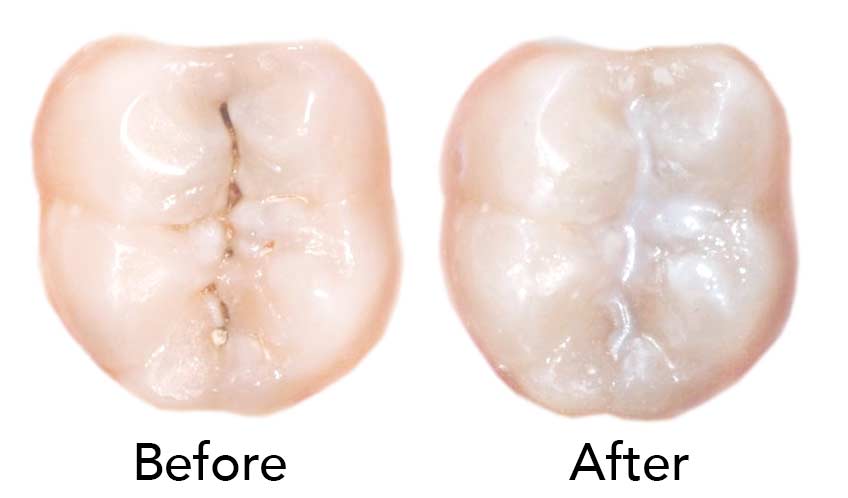
A sealant is a plastic material that is usually applied to the chewing surfaces of the back teeth premolars and molars. This plastic resin bonds into the depressions and groove (pits and fissures) of the chewing surfaces of the back teeth. The sealant acts as a barrier, protecting enamel from plaque and acids.
Why are sealants necessary?
When the back teeth are developing, pits and fissures from in the chewing surfaces of the enamel. They are impossible to keep clean, because the bristles of a toothbrush cannot reach into them. Pits and fissures are snug places for plaque and bits of food to hide! In fact, most cavities form in pit and fissures areas, and back teeth are extremely susceptible to this form of decay. By forming a thin covering over the pits and fissures, sealants keep out plaque an dfood, thus decreasing the risk of decay.
How are sealants applied?
It usually takes only a few minutes to seal each tooth. The teeth that will be sealed are cleaned. Then the chewing surfaces are conditioned to help the sealant adhere to the tooth. The sealant is then 'painted' onto the tooth enamel, where it bonds directly to the tooth and hardens. Sometimes a special curing light is used to help the sealant harden.
How long do sealant last?
As long as the sealant remains intact, the tooth surface will be protected from decay. When shopping for toothpaste and cleaning between the teeth daily with floss or interdental cleaners. When shopping fot toothbrushes, toothpaste and other oral care products, choose those that bear the ADA Seal of Acceptance-a sign that dental product has met ADA standarts for safety and effetiveness. It's also important to eat a ballanced diet and limit snacks. Visit your dentist regularly, and ask your dentist how to get the fluoride you need. Prevention is better than treatment. Since they are extremely effective in preventing pit and fissure decay, properly applied and maintained sealants can result in savings in both dollars and discomfort.
Are sealants just for kids?
The likelihood of developing pit and fissure decay begins as soon as the back teeth erupt, so children and teenagers are obvious candidates. But adults can also be at risk for this type of decay and can benefit from sealants as well. Ask your dentist about whether sealants can put extra power behind your prevention program.

Mouthguard
Do you need a mouth guard?
It's easy to take some things for granted until they're suddenly gone. Imagine what it would be like if you lost one or two of your front teeth. Smiling, talking or eating the'd all be pretty unpleasant.
A properly fitted mouthguard, mouth protector, is an important piece of athletic gear that can help protect your smile. You may have seen mouthguards used in contact sports, particularly in football, boxing, ice hockey, lacrosse and field hockey. Mouthguards help cushion blows that might otherwise cause broken teeth and injuries to the lips, tongue, face or jaw. It's believed that they also may educe the severity and incidence of concussions.
You don't have to be on the football field or in a hockey rink to benefit from a properly fitted maouthguard. New findings in sports dentistry gymnastics, mouthguards will help protect participants. Many experts recommend that everyone -from children to adults- wear a mouthguard during any recreational activity that might pose a risk of injury to the mouth.
Choosing a mouthguard
There are three types of mouthguards :
- the ready-made, or stock, mouthguard;
- the mouth-formed "boil-and-bite" mouthguard;
- the custom-made mouthguard made by your dentist
All three mouthguards provide protection, but they vary in comfort an cost. The most effective mouthguard should be resilient, tear-resistant and comfortable. It should fit properly, be durable and easy to clean, and not restrict your speech or breathing.
Generally, a mouthguard covers only the upper teeth, but in some cases the dentist will make a mouthguard for the lower teeth as well. Your dentist can suggest the right mouthguard for you.
- Caring for your mouthguardbefore and after each use, rince it with cold water or with a mouthrince. You can clean itu with toothpaste and a toothbrush.
- Occasionally clean the mouthguard in cool, soapy water and rinse it thoroughly.
- Place the mouthguard in a firm, perforated container to store or transport it. This permits air circulation and helps to prevent damage.
- To minimize distortion, avoid high temperatures, such as hot water, hot surfaces or direct sunlight.
Like any other sports gear, a mouthguard will wear out, making it less efective. If your mouthguard has holes or tears or becomes loose, it can irritate the mouthguard's condition and replace it as necessary.
Schedule regular dental check-ups and bring your mouthguard to each deantal visit.

Hypersensitivity
Do your teeth often feel sensitive to cold or heat? Are they sensitive when you brush, floss or when you eat certain foods or drink cold beverages? You may have a common problem called hypersensitivity or sensitive teeth.
What causes sensitivity?
If your dentist has ruled out other dental problems that are causing discomfort, such as a cavity, a fractured tooth or an abscess, the sensitivity may be result of worn tooth enamel or an exposed tooth root.
A layer of enamel, the strongest substance in the body, protects the crowns of healthy teeth. A layer called cementum protects the tooth root under the gum line. Underneath the enamel and the cementum is dentin.
The dentin contains microscopic tubules (small hollow tubes or canals). When the dentin loses its protective covering, th tubules allow heat and cold or acidic or sticky foods to stimulate the nerves and cells inside the tooth. This causes hypersensitivity and monetary discomfort. The irritation does not cause permanent damage to the pulp.
Treatment
Sensitive teeth can be treated. Your dentist may suggest that you try a desensitizing toothpaste. A desensitizing toothpaste contains compounds that help block transmission of sensation from the tooth surface to the nerve. Desensitizing toothpaste may require several applications before the sensitivity is reduced. When choosing any dental care products, look for those that display the American Dental Association's Seal of Acceptance, your assurance that have met ADA standards of safety and effectiveness.
If the desensitizing toothpaste does not help your discomfort, your dentist may suggest in-office techniques to correct the problem. A fluoride gel mat be applied to the sensitive areas of the teeth. Fluoride strengthens tooth enamel and reduces the transmission of sensations.
If receding gums cause the sensitivity, your dentist may use dentin bonding agents, which bond to the tooth root and protect the tooth. Your dentitst may also suggest "sealing" the sensitive teeth. A sealer composed of a plastic material may be used to reduce sensitivity.
In some causes where hypersensitivity is severe and persistent and cannot be treated by other means, your dentist may recommend endodontic treatment to eliminate the problem.
Endodontic Treatment
The Goal: Preserving The Tooth
In the past, injured or diseased teeth frequently had to be removed. Today, they often can be saved through endodontic treatment. Also known as a root canal treatment, this procedure may be performed by a general dentist or a specialist called an endodontist. More than one office visit usually is required.
Pulp particular
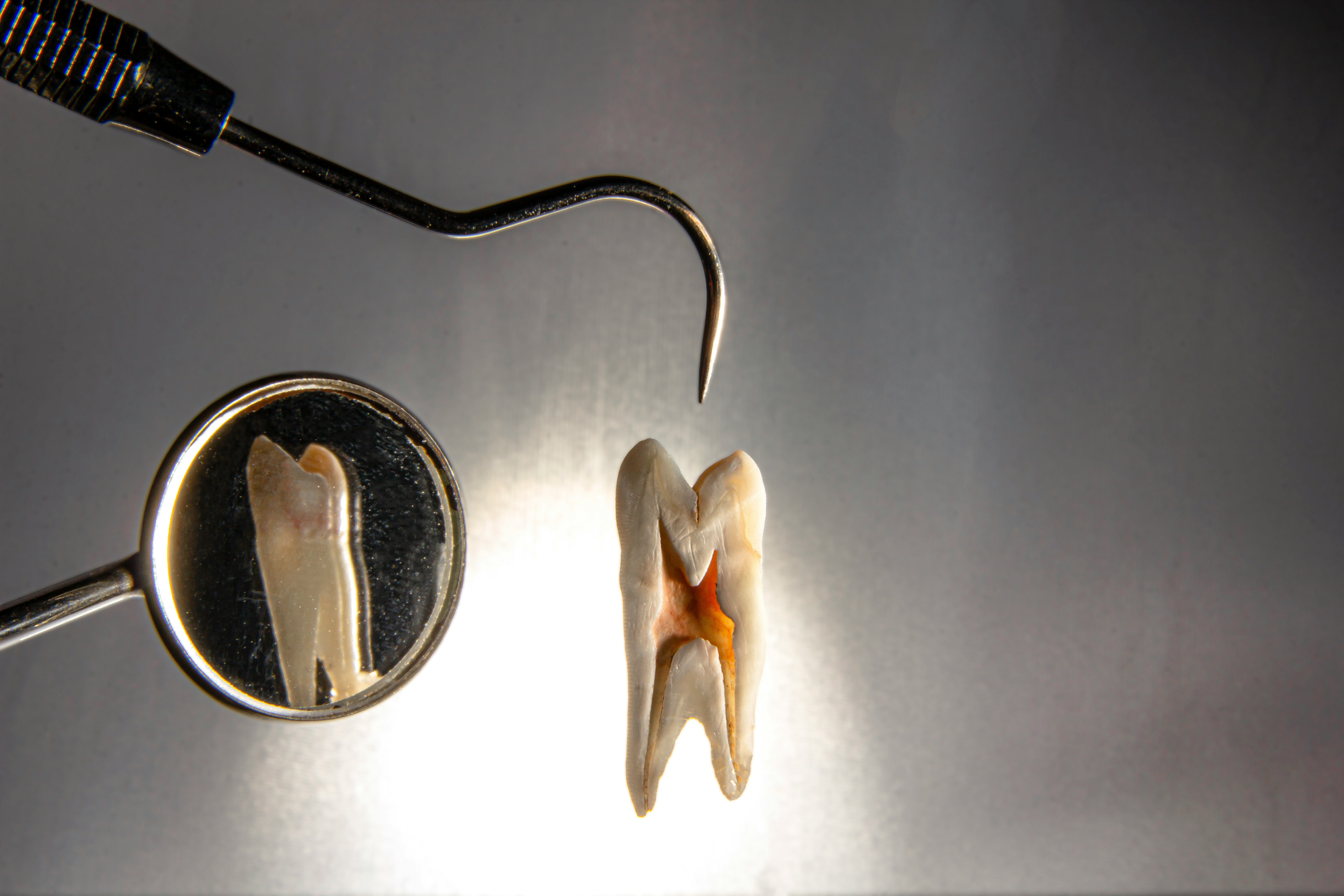
A root canal treatment generally involves the removal and replacement of a tooth’s pulp. The pulp is soft tissue containing blood vessels, nerves and connective tissue.
- The pulp is found in a canal that runs through the center of the hard tissue on the inside of the tooth (the dentin).
- The pulp extends from the pulp chamber in the crown down through the root canal to the tip of the root in the jawbone.
- A tooth has only one pulp chamber but may have more than one root and several root canals.
If pulp becomes damaged through injury or disease and cannot repair itself, bacteria and their products can leak into the pulp and cause the pulp to die. If a root canal procedure is not performed, an abscess can form at the tip of the root and cause considerable pain. Even if there is no pain, the bone anchoring the tooth in the jaw can be damaged. Without treatment, the tooth may have to be extracted.
What to expect
Here is what you can expect when you schedule a root canal treatment.
On the initial visit:
- Local anesthetic usually is given, to maintain patient comfort.
- The affected tooth is isolated from saliva with a rubberlike sheet called a dam.
- An opening is made through the crown of the tooth. The pulp is removed, and then the root is cleaned and shaped. Medication may be added to the pulp chamber and root canal(s) to help eliminate bacteria.
- A temporary filling is placed in the crown opening to keep saliva out. Antibiotics may be prescribed if an infection is present and has spread beyond the end of the root(s).
On the next visit:
- The temporary filling is removed.
- The root canal is filled and permanently sealed. (A metal or plastic rod or post may be placed in the root canal for structural support.)
If an endodontist performs the procedure, he or she usually will send you back to your general dentist for preparation of a crown to be placed on the tooth. Crowns are made from a variety of materials, depending on the location of the tooth, the color of the tooth and the amount of natural tooth remaining. Discuss with your dentist which option is best for you.
The rest is up to you
The restored tooth can remain healthy as long as its roots are nourished by the surrounding tissues. Good oral hygiene at home and regular dental visits can help prevent tooth decay and gum disease. If you take good care of it, the restored tooth could last a lifetime.
Dental Crown
If You want your smile to be your crowning glory, you need healthy, attractive teeth. When they are cracked, stained or damaged, however, your teeth detract from your dental health and your appearance, too.
Restore your smile
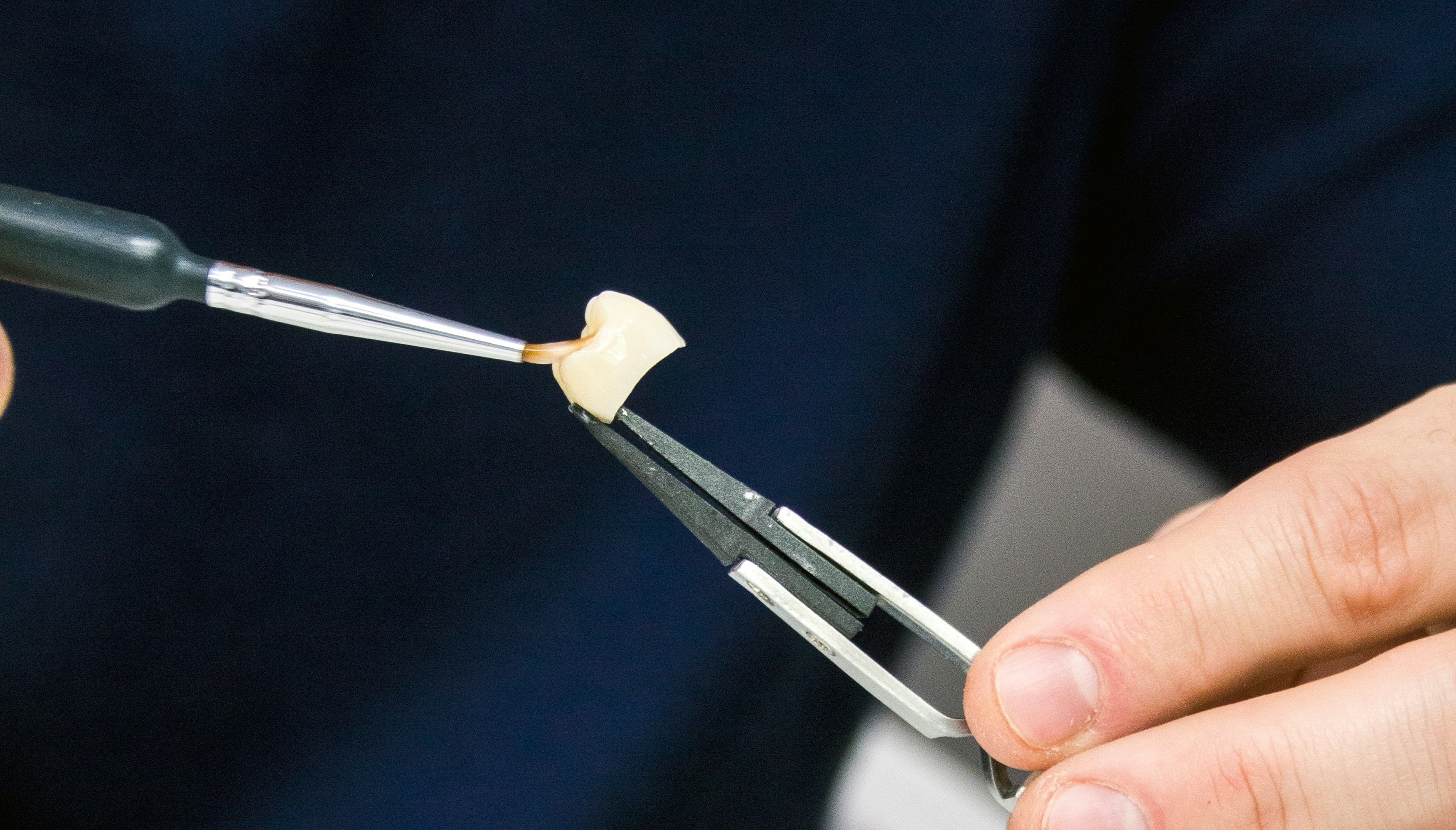
A crown is a special dental restoration that entirely covers or "caps" a tooth. Besides strengthening a damaged tooth, a crown can be used to improve its appearance.
- Your dentist may recommended a crown to :replace a large filling when there isn't enough tooth remaining;
- protect a weak tooth from fracturing;
- restore a fractured tooth;
- attach bridge;
- cover a dental implant;
- cover a poorly shaped tooth;
- cover a discolored tooth; or
- cover a tooth that has had root canal treatment
Which material is best?
Several factors are considered when choosing among the various materials used to make crowns. Your dentist considers the location of the tooth, the color and shade, the amount of tooth that shows when you smile, the function of the tooth (tearing versus grinding), and the position of surrounding gum tissue.
Gold or non-precious alloys, porcelain or ceramic, acrylic or composite resin or combinations of these materials are used to make crowns. Porcelain attached to a durable metal shell is commonly used for its strength. In some cases, an additional visit may be needed for adjustments.
During the firts visit, the dentist shapes the outer portion of the tooth to accommodate the thickness of the prepared tooth. Your dentist or a dental laboratory technician (following the written instructions of the dentist) then makes the crown from the model.
A temporary crown, often made of acrylic resin, covers the prepared tooth while the permanent crown is made. When the permanent crown is ready, the dentist removes the temporary crown and places the permanent one over the the prepared tooth. Minor adjustments may be made to make the crowned tooth and your "bite" feel comfortable.
Taking care of your smile
To prevent damaging your new crown (or your natural teeth), avoid chewing hard foods, ice or other objects.
Look for oral hygiene products that display the American Dental Association's (ADA) Seal of Acceptance, a symbol of safety and effectiveness. Brush twice a day with an ADA-accepted toothpaste, this helps remove plaque, a sticky film of bacteria that can made tooth decay.
Take time to carefully remove th plaque from the area where gum tissue meets the tooth (the sulcuss). Plaque that accumulates in the sulcus can cause tooth decay or gum disease.

How can we help you?
Talk to us to find out more about what we can offer you